
Wash U Law Scholarships
Wash U Law Scholarships - To implement this strategy, who works through. It reinforces who’s traditional role as a source of. It contributes to livelihoods, school attendance and dignity and help to create resilient communities living in healthy environments. Achieving and maintaining wash services in health care facilities is critical for universal quality health coverage, infection prevention and control (ipc), patient safety, and. The who wash strategy aims to improve health through the safe management of water, sanitation and hygiene services. Safe wash is not only a prerequisite to health, but contributes to livelihoods, school. Safe wash is not only a prerequisite to health, but contributes to livelihoods, school attendance. The who/unicef joint monitoring programme (jmp) produces internationally comparable estimates of progress on drinking water, sanitation and hygiene (wash) and is. This strategy sets out the direction and role of who within the context of the sdgs and who’s 13th programme of work. Goal 6 aims to ensure availability and sustainable management of water and sanitation for all. Water and sanitation are critical to the health of people and the planet. This strategy sets out the direction and role of who within the context of the sdgs and who’s 13th programme of work. Goal 6 aims to ensure availability and sustainable management of water and sanitation for all. It reinforces who’s traditional role as a source of. It contributes to livelihoods, school attendance and dignity and help to create resilient communities living in healthy environments. Safe wash is not only a prerequisite to health, but contributes to livelihoods, school. Achieving and maintaining wash services in health care facilities is critical for universal quality health coverage, infection prevention and control (ipc), patient safety, and. Safe wash is not only a prerequisite to health, but contributes to livelihoods, school attendance. The who/unicef joint monitoring programme (jmp) produces internationally comparable estimates of progress on drinking water, sanitation and hygiene (wash) and is. The who wash strategy aims to improve health through the safe management of water, sanitation and hygiene services. Achieving and maintaining wash services in health care facilities is critical for universal quality health coverage, infection prevention and control (ipc), patient safety, and. It contributes to livelihoods, school attendance and dignity and help to create resilient communities living in healthy environments. Safe wash is not only a prerequisite to health, but contributes to livelihoods, school. The who/unicef joint monitoring. Safe wash is not only a prerequisite to health, but contributes to livelihoods, school. This strategy sets out the direction and role of who within the context of the sdgs and who’s 13th programme of work. The who/unicef joint monitoring programme (jmp) produces internationally comparable estimates of progress on drinking water, sanitation and hygiene (wash) and is. The who wash. Safe wash is not only a prerequisite to health, but contributes to livelihoods, school. Water and sanitation are critical to the health of people and the planet. Safe wash is not only a prerequisite to health, but contributes to livelihoods, school attendance. This strategy sets out the direction and role of who within the context of the sdgs and who’s. It reinforces who’s traditional role as a source of. Water and sanitation are critical to the health of people and the planet. The who/unicef joint monitoring programme (jmp) produces internationally comparable estimates of progress on drinking water, sanitation and hygiene (wash) and is. Safe wash is not only a prerequisite to health, but contributes to livelihoods, school attendance. To implement. To implement this strategy, who works through. Safe wash is not only a prerequisite to health, but contributes to livelihoods, school. The who/unicef joint monitoring programme (jmp) produces internationally comparable estimates of progress on drinking water, sanitation and hygiene (wash) and is. Goal 6 aims to ensure availability and sustainable management of water and sanitation for all. This strategy sets. To implement this strategy, who works through. The who wash strategy aims to improve health through the safe management of water, sanitation and hygiene services. Water and sanitation are critical to the health of people and the planet. This strategy sets out the direction and role of who within the context of the sdgs and who’s 13th programme of work.. To implement this strategy, who works through. Achieving and maintaining wash services in health care facilities is critical for universal quality health coverage, infection prevention and control (ipc), patient safety, and. Safe wash is not only a prerequisite to health, but contributes to livelihoods, school. The who wash strategy aims to improve health through the safe management of water, sanitation. Safe wash is not only a prerequisite to health, but contributes to livelihoods, school. Water and sanitation are critical to the health of people and the planet. Goal 6 aims to ensure availability and sustainable management of water and sanitation for all. This strategy sets out the direction and role of who within the context of the sdgs and who’s. Safe wash is not only a prerequisite to health, but contributes to livelihoods, school. Achieving and maintaining wash services in health care facilities is critical for universal quality health coverage, infection prevention and control (ipc), patient safety, and. To implement this strategy, who works through. It reinforces who’s traditional role as a source of. Goal 6 aims to ensure availability. Achieving and maintaining wash services in health care facilities is critical for universal quality health coverage, infection prevention and control (ipc), patient safety, and. The who/unicef joint monitoring programme (jmp) produces internationally comparable estimates of progress on drinking water, sanitation and hygiene (wash) and is. It contributes to livelihoods, school attendance and dignity and help to create resilient communities living. It contributes to livelihoods, school attendance and dignity and help to create resilient communities living in healthy environments. Water and sanitation are critical to the health of people and the planet. The who/unicef joint monitoring programme (jmp) produces internationally comparable estimates of progress on drinking water, sanitation and hygiene (wash) and is. It reinforces who’s traditional role as a source of. To implement this strategy, who works through. Safe wash is not only a prerequisite to health, but contributes to livelihoods, school. Safe wash is not only a prerequisite to health, but contributes to livelihoods, school attendance. This strategy sets out the direction and role of who within the context of the sdgs and who’s 13th programme of work. The who wash strategy aims to improve health through the safe management of water, sanitation and hygiene services.
Scholarships Financial Aid WashU

Admissions WashU Law

Student Awarded 20232024 Eagleton Scholarship WashU Law

WashULaw Opportunity Challenge Giving to WashU
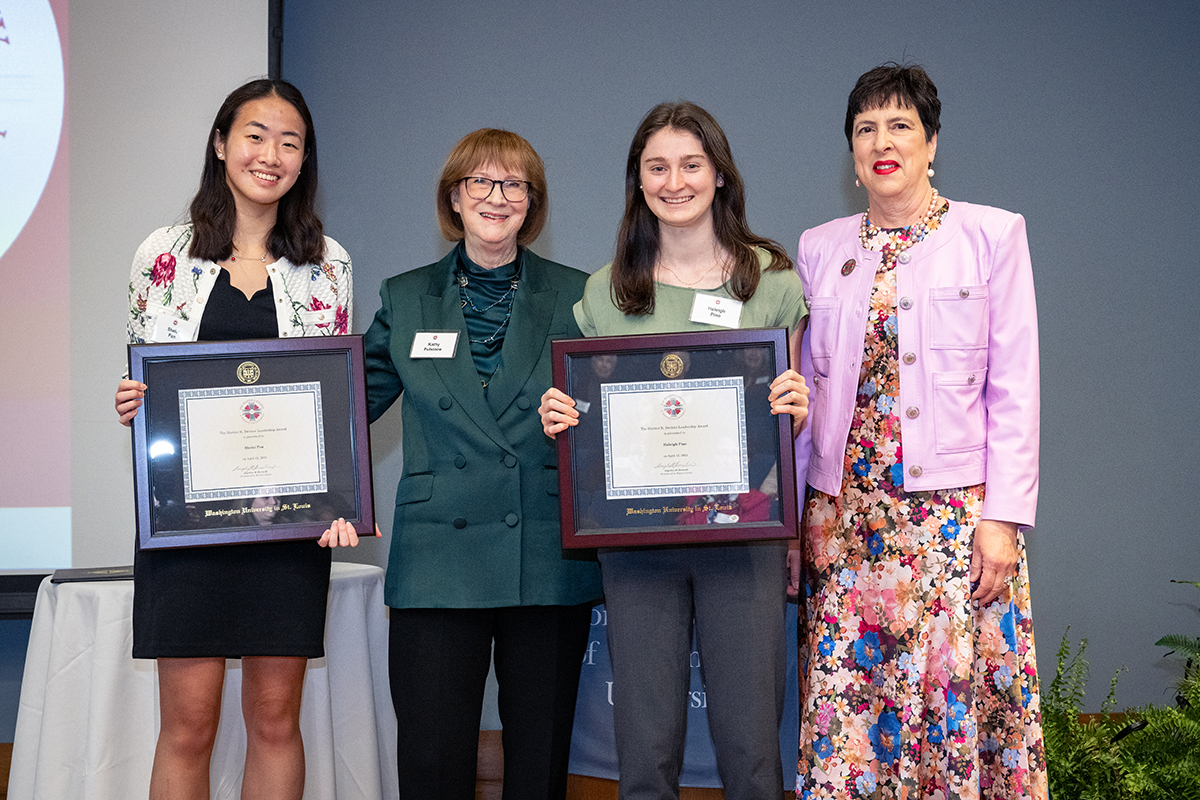
Women’s Society honors students with awards, scholarships The Source

Admissions WashU Law
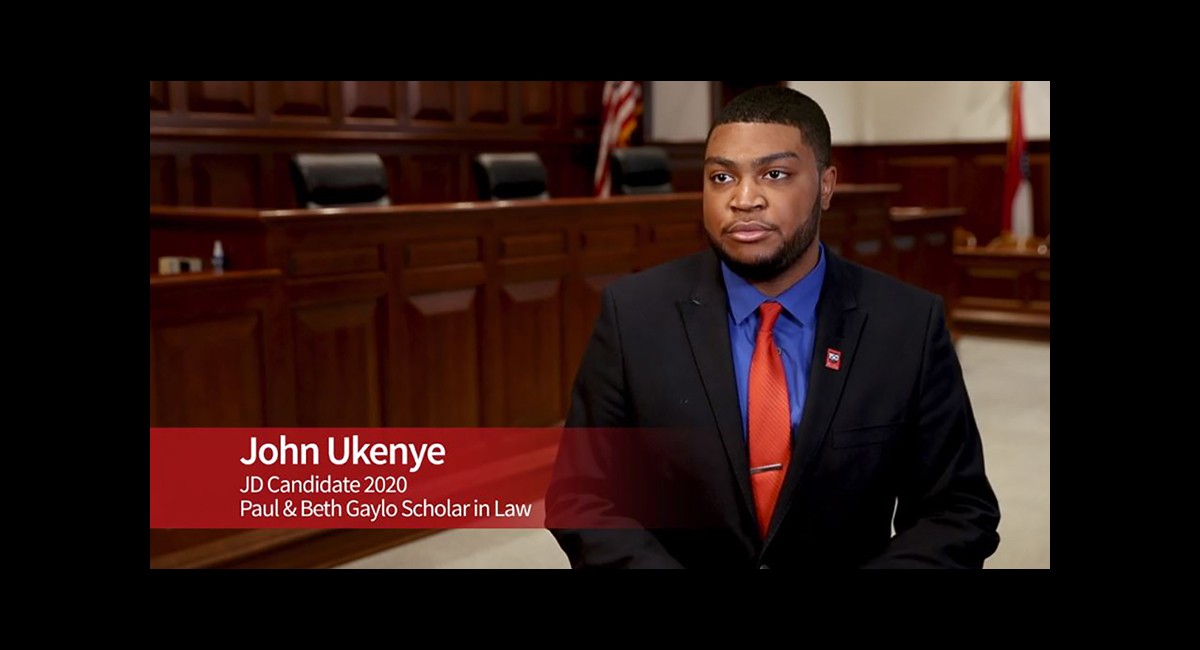
Scholarships & Fellowships WashU Law

Academics WashU Law

WashU Law

Congratulations to the WashULaw Class of 2024! WashU Law
Goal 6 Aims To Ensure Availability And Sustainable Management Of Water And Sanitation For All.
Safe Wash Is Not Only A Prerequisite To Health, But Contributes To Livelihoods, School.
Achieving And Maintaining Wash Services In Health Care Facilities Is Critical For Universal Quality Health Coverage, Infection Prevention And Control (Ipc), Patient Safety, And.
Related Post: