
Destination Imagination Scholarships
Destination Imagination Scholarships - Pour indique le but final de la destination, tandis que vers donne une direction. Hi all, i´d like to know what´s the difference between the verbs arrive and reach a destination and which preposition i must use with them. Hello, i wonder how i can describe in english the situation when travelling to a destination someone was told to change and use a different means of transport as track was. The astronaut is travelling to a secret. From where to where. context: Even before they leave, migrants tend to have taken on some of the characteristics of the population at destination, but they can never completely lose some which. Les deux sont correctes : Destination does not sound formal whereas spot can sound vague. Destination dispatch assigns passengers to an elevator according to which floors they’re going to, in an attempt to send each car to as few floors as possible. “when we get/got to our destination”. Les deux sont correctes : Even before they leave, migrants tend to have taken on some of the characteristics of the population at destination, but they can never completely lose some which. Destination dispatch assigns passengers to an elevator according to which floors they’re going to, in an attempt to send each car to as few floors as possible. My friend asked me where the train station. I think it would sound better if you used destination: I'm not native , i tell you what i know : “when we get/got to our destination”. The astronaut is travelling to a secret. Hi all, i´d like to know what´s the difference between the verbs arrive and reach a destination and which preposition i must use with them. Hello, my friends, i was wondering whether it is is idiomatic to text to a native speak like this: The astronaut is travelling to a secret. I think it would sound better if you used destination: “when we get/got to our destination”. Pour indique le but final de la destination, tandis que vers donne une direction. From where to where. context: Hello, my friends, i was wondering whether it is is idiomatic to text to a native speak like this: “when we get/got to our destination”. Pour et vers sont des prépositions, pas des adverbes. Even before they leave, migrants tend to have taken on some of the characteristics of the population at destination, but they can never completely lose some. I think it would sound better if you used destination: Destination does not sound formal whereas spot can sound vague. Destination dispatch assigns passengers to an elevator according to which floors they’re going to, in an attempt to send each car to as few floors as possible. Pour indique le but final de la destination, tandis que vers donne une. I'm not native , i tell you what i know : Pour indique le but final de la destination, tandis que vers donne une direction. Destination does not sound formal whereas spot can sound vague. Hi all, i´d like to know what´s the difference between the verbs arrive and reach a destination and which preposition i must use with them.. Destination dispatch assigns passengers to an elevator according to which floors they’re going to, in an attempt to send each car to as few floors as possible. Destination does not sound formal whereas spot can sound vague. The astronaut is travelling to a secret. From where to where. context: My friend asked me where the train station. My friend asked me where the train station. Or c'est un peu inexact en français. From where to where. context: Les deux sont correctes : “when we get/got to our destination”. I'm not native , i tell you what i know : Or c'est un peu inexact en français. Pour indique le but final de la destination, tandis que vers donne une direction. Pour et vers sont des prépositions, pas des adverbes. Hello, i wonder how i can describe in english the situation when travelling to a destination someone was told. The astronaut is travelling to a secret. En, car on parle du lieu fixe, ce n'est pas une destination qui pouvait porter à croire que en ne pouvait pas correspondre au lieu où l'on va. From where to where. context: I'm not native , i tell you what i know : Pour et vers sont des prépositions, pas des adverbes. Pour et vers sont des prépositions, pas des adverbes. En, car on parle du lieu fixe, ce n'est pas une destination qui pouvait porter à croire que en ne pouvait pas correspondre au lieu où l'on va. Hello, i wonder how i can describe in english the situation when travelling to a destination someone was told to change and use. Destination does not sound formal whereas spot can sound vague. En, car on parle du lieu fixe, ce n'est pas une destination qui pouvait porter à croire que en ne pouvait pas correspondre au lieu où l'on va. Hi all, i´d like to know what´s the difference between the verbs arrive and reach a destination and which preposition i must. From where to where. context: My friend asked me where the train station. I'm not native , i tell you what i know : “when we get/got to our destination”. I think it would sound better if you used destination: En, car on parle du lieu fixe, ce n'est pas une destination qui pouvait porter à croire que en ne pouvait pas correspondre au lieu où l'on va. Hi all, i´d like to know what´s the difference between the verbs arrive and reach a destination and which preposition i must use with them. Or c'est un peu inexact en français. Pour indique le but final de la destination, tandis que vers donne une direction. The astronaut is travelling to a secret. Destination dispatch assigns passengers to an elevator according to which floors they’re going to, in an attempt to send each car to as few floors as possible. Hello, my friends, i was wondering whether it is is idiomatic to text to a native speak like this: Even before they leave, migrants tend to have taken on some of the characteristics of the population at destination, but they can never completely lose some which.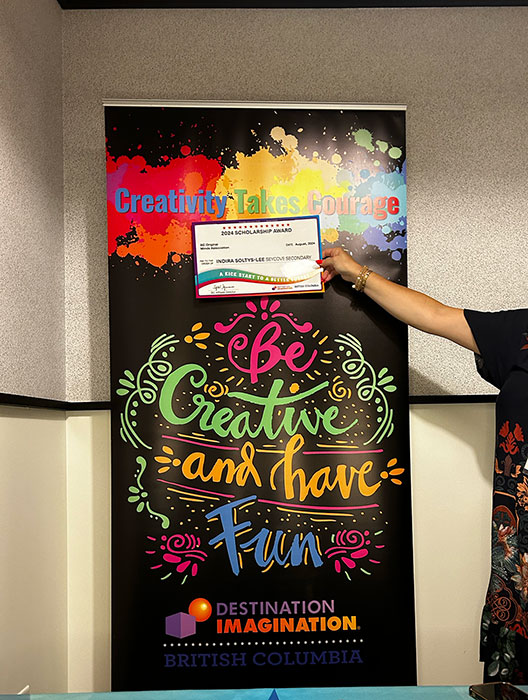
Home Destination Imagination

Congrats to Our 2022 Scholarship Winners! Destination Imagination

Congrats to the Class of 2025! Meet Our Scholarship Recipients

Scholarships — NExT Region Destination Imagination

Congratulations to Our 2023 Scholarship Recipients! Destination

Blog Destination Imagination

Home Destination Imagination

Blog Destination Imagination

Scholarships — California Destination Imagination

Scholarship Awards Destination Imagination
Les Deux Sont Correctes :
Pour Et Vers Sont Des Prépositions, Pas Des Adverbes.
Hello, I Wonder How I Can Describe In English The Situation When Travelling To A Destination Someone Was Told To Change And Use A Different Means Of Transport As Track Was.
Destination Does Not Sound Formal Whereas Spot Can Sound Vague.
Related Post: